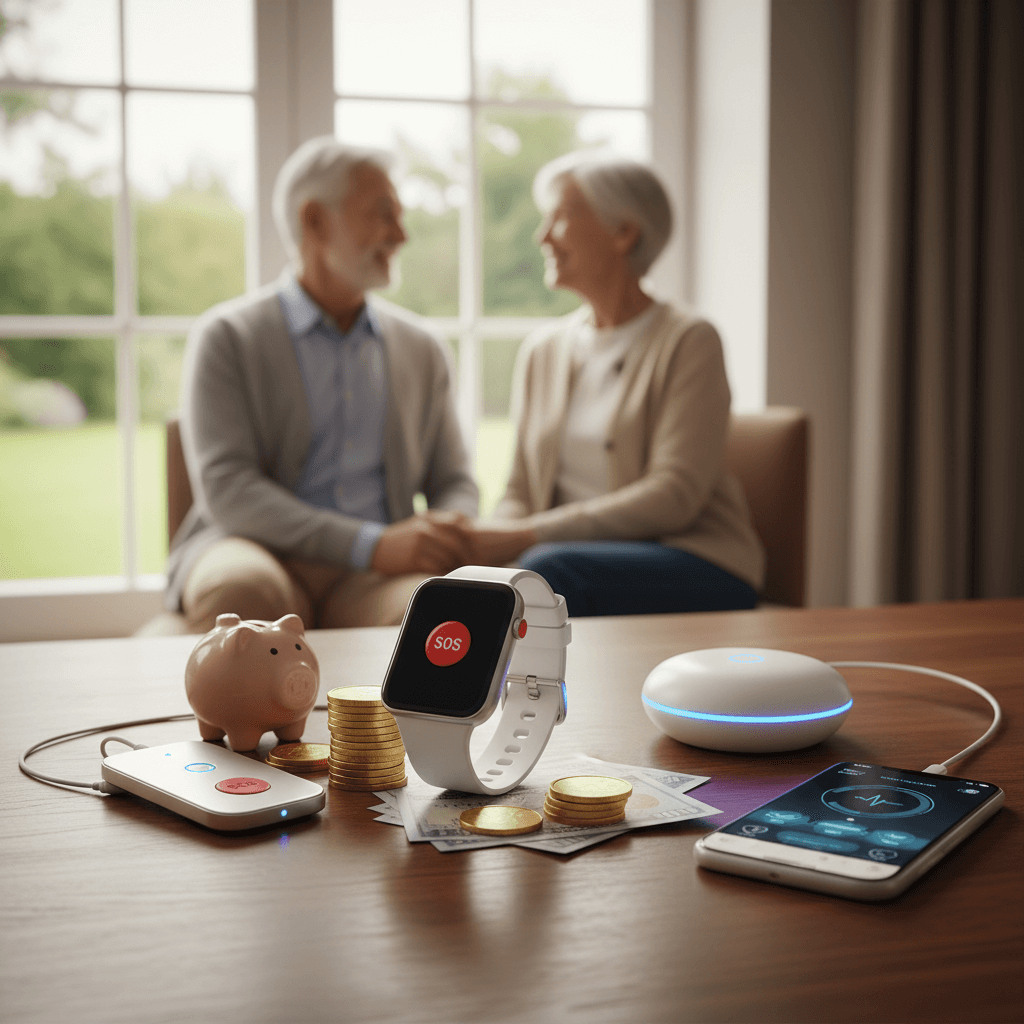
Medical Alert Devices A Smart Investment
Choosing whether a medical alert device is worth the price is a personal decision that affects safety and daily life. For many older adults and people with health risks those devices are more than electronics. They are a way to stay connected to help when something unexpected happens. This article looks at real costs benefits and practical considerations to help readers decide if a device fits their needs.
Below you will find clear explanations of how systems work what they cost and how to pick a model that matches living situation and budget. Examples and tips are included so you can compare options and feel confident about the decision. I will also point to one resource that summarizes the value of different systems for quick reference.
Why medical alert devices make financial sense in many cases
When evaluating any purchase include direct costs and possible savings. Medical alert devices have a purchase price and often a monthly fee. Those expenses are offset by reduced risk of complications after a fall shorter hospital stays and fewer urgent care visits when a user gets faster help. Studies show that rapid response after a fall lowers the likelihood of secondary injuries and dehydration which in turn lowers medical bills. For a family that is helping an older adult live independently at home a device may delay or remove the need for round the clock paid care.
Think of the decision the same way you would weigh insurance. You are paying for an outcome you hope you do not need often. When that outcome arrives the value can quickly exceed the cost. If you want a compact summary that compares features price and performance consult this assessment of the value of medical alert devices for a clear side by side look and practical recommendations.
How medical alert systems work in everyday life
Most systems include a wearable button and a base station or a mobile hub that connects to a call center. When the button is pressed or a fall is detected the device opens a voice channel to a trained operator. That person can assess the situation talk to the user and call emergency services or a family member. Battery backed components and cellular connections help keep the system active even when landlines fail during storms or utility interruptions.
Fall detection and emergency calls
Automatic fall detection senses rapid motion followed by a period of no movement and triggers a call. These sensors are not perfect. Pet movements vehicle rides and fast gestures can create false alerts. The benefit is obvious for users who lose consciousness or cannot reach a button after a fall. To reduce false alerts try adjusting sensitivity settings and testing the device during normal activities.
GPS and location tracking
Mobile units include GPS so responders can find someone who has fallen or become lost away from home. This matters for active seniors who walk in parks or run errands without an escort. Battery life and signal quality vary among models so check advertised run times and look for units with good indoor positioning if frequent mall or building visits are expected.
Comparing costs and service plans
Costs fall into three categories initial hardware monthly service and optional extras like fall detection or GPS. Entry level systems that use a base station and landline connection are often the least expensive. Cellular units and mobile necklaces or wristbands add to monthly fees. Typical monthly plans range from low cost tiers under thirty dollars to premium plans that approach or exceed seventy dollars. Longevity of the equipment and warranty terms also influence total cost over several years.
When you compare plans add up expenses for a three year period and include likely replacement of batteries or wearable bands. Look for trial periods and cancellation policies. A system that looks cheap at first can be costly if it locks you into a long contract without a refund window. Read reviews that report on customer service responsiveness and real response times rather than promotional claims.
Real world examples and case studies
Example one is a retired teacher living alone who tripped in her kitchen and could not reach her phone. The necklace alarm alerted the call center which called emergency services. The quick arrival prevented a long lie on the floor and reduced the severity of injuries. Medical bills were lower than expected and she remained independent with a modest monthly fee and home modifications.
Example two is a husband caring for a wife with mild memory loss. He placed a mobile unit with GPS in her purse and set up automatic fall detection. On two occasions staff called when she wandered and the GPS location helped neighbors return her home quickly. Those returns kept the couple from moving to assisted care for several months and reduced worry when errands were necessary.
Choosing the right device for your needs
Choice depends on three main factors daily routines level of mobility and medical risk. A mostly homebound person may prefer a base station and wearable button that focuses on indoor coverage. An active person who leaves home frequently needs a mobile unit with strong GPS battery life and cellular service. For users with frequent fainting spells or uncontrolled seizures prioritize fall detection features but expect to manage false positives.
Review checklist
- Coverage area does the unit work at home only or while on the move
- Battery life how long does the wearable and hub run between charges
- Response protocol what steps does the call center follow on an alert
- Trial window is there a money back period to test the device in real life
- Price compare total cost over at least three years and check cancellation fees
- Customer service read reviews that include actual call experiences and resolution times
Common concerns and practical tips to address them
Privacy worries are common. Most systems transmit location and audio during an alert. Read privacy policies to learn how data is stored and who can access it. If privacy is a top concern choose devices with strict access controls and clear data deletion policies.
False alarms happen and they are frustrating. To lower false alerts keep the wearable snug on the body charge devices regularly and practice tests with the monitoring center. Ask about a grace period for false alerts when you sign up. Some companies have friendly policies after a first month of false triggers.
Resistance from a loved one who dislikes wearing technology is also typical. Offer a simple explanation of what the device does and start with a trial. Place the wearable in a familiar piece of jewelry or pick a style that feels less medical. Encouraging small steps like wearing the unit only during outings for a week can increase acceptance.
Insurance and reimbursement considerations
Most standard health insurance plans do not pay for consumer medical alert systems. Long term care policies and veteran benefits sometimes offer partial reimbursement. Tax rules allow medical expenses to be deducted in certain situations when costs exceed a threshold and itemized deduction rules apply. Keep receipts and statements from the provider and consult a tax advisor about your specific situation.
Some community programs and non profit groups provide low cost or donated devices to people who qualify. Local aging services and area agencies on aging often maintain lists of resources that can help cover upfront costs or connect people with temporary loaners during recovery from a hospital stay.
Finally think about the emotional cost of not having a device. While that is not a line item on a budget sheet the anxiety reduction for family members who live far away can allow the primary caregiver to remain productive at work and postpone more expensive living arrangements for a loved one.
In summary these devices deliver safety for a predictable price and should be judged by the specific risks and daily patterns of the person who will use one. Practical testing and a clear comparison of total costs will reveal which options are worth the money and which are excessive for a given lifestyle.
Conclusion
Medical alert devices are not one size fits all. For many households the combination of faster emergency response fewer hospital complications and the ability to live at home independently makes them a wise purchase. Cost varies with features and service but comparing three year totals trial policies and real user reviews will highlight options that fit both budget and health risk. Consider a simple checklist before you decide collect quotes and try a device during a trial period. Speak with clinicians or local aging service professionals if you have specific medical concerns that affect choice of sensors or communication methods. If you care for someone from a distance a device can reduce the time spent worrying and increase confidence that help will arrive when needed. Take the next step by listing daily routines and potential risks then match those to models with the right coverage and response plan. If possible request a trial or short term rental to test fit and false alert frequency. When you are ready choose a plan with clear cancellation terms and documented customer support hours. This approach saves money over time and gives clear evidence for whether a device is a good decision for your situation. Act now to compare offers and set up a trial so you can make a calm informed choice that reflects both safety needs and financial priorities.


