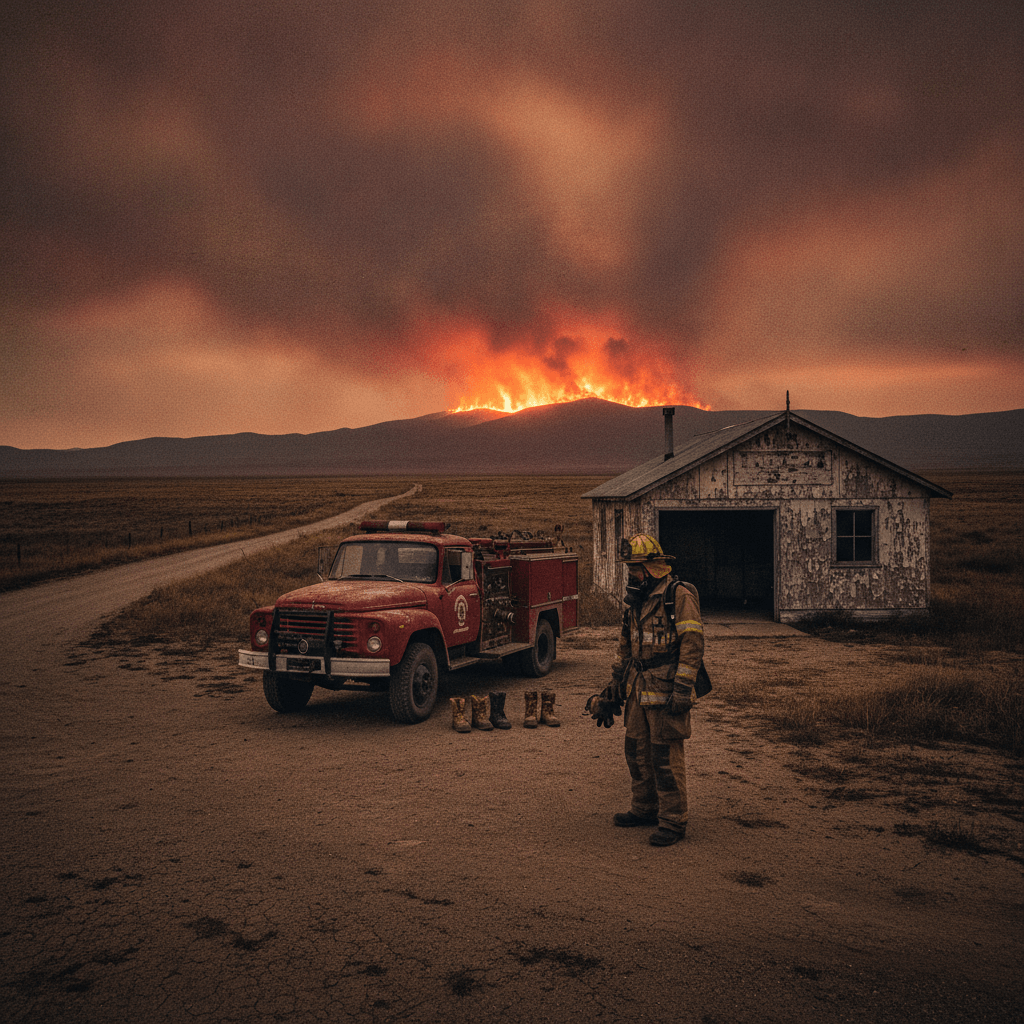
Why Rural Wildfire Response Faces Staffing Issues
I have observed a concerning trend over the past few years regarding our nation’s ability to combat wildfires. Specifically, I am talking about the challenges faced by rural communities. These areas are increasingly vulnerable to large scale fires and they often lack the resources to respond effectively.
The severity of wildfires has certainly intensified and this places immense pressure on local fire departments. Many rural agencies struggle to maintain adequate staffing levels. This issue is complex and it involves a combination of economic, demographic, and environmental factors.
Understanding these underlying causes is essential for developing sustainable solutions. I believe that by examining the specific problems, we can better support the brave individuals who protect our homes and natural landscapes.
The Expanding Threat of Rural Wildfires
Wildfires in rural areas are no longer just a seasonal concern they are a year round danger. The scale and intensity of these fires have grown dramatically. This puts immense strain on the limited resources of rural fire departments.
I see reports almost daily about record breaking acreage burned or homes lost in remote communities. These events are not isolated incidents they are part of a larger pattern. The changing climate means hotter drier conditions and longer fire seasons. These factors create an environment where small fires can quickly become catastrophic.
When a fire breaks out in a dense forest or vast grassland, the initial response is everything. But rural departments often operate with smaller teams and older equipment. They also cover very large geographical areas. This means their personnel are spread thin and they face an uphill battle from the start.
The expansion of the wildland urban interface also plays a role. More people are choosing to live closer to natural environments. This brings homes and businesses into direct contact with fire prone landscapes. The risk to human life and property skyrockets during a wildfire event in these zones. It also complicates evacuation routes and safe access for firefighters.
Environmental Factors and Climate Shifts
My work involves looking at trends in disaster response and climate change is a clear driver. We are seeing hotter temperatures and more prolonged droughts across many regions. These conditions dry out vegetation turning forests and grasslands into perfect fuel for fires. When a spark ignites, it spreads faster and burns hotter than it would in a wetter environment.
I have spoken with many fire chiefs who confirm this shift. They tell me how fires that once might have been contained within a few acres now explode to thousands of acres. This is sometimes just within a few hours. The fire behavior has become much more extreme and unpredictable and this makes firefighting much more dangerous.
The cycle is also self perpetuating. Large fires release massive amounts of carbon into the atmosphere. This then contributes to further climate warming. Breaking this cycle requires a multi faceted approach one that includes better prevention and response strategies.
Growing Wildland Urban Interface
I observe that development patterns have changed. More families are building homes on the edges of forests and wildlands. This creates what experts call the wildland urban interface or WUI. This zone is particularly vulnerable to wildfires.
When fires reach the WUI, the priorities shift from simply containing the fire to protecting structures and evacuating residents. This requires a different set of tactics and a lot more personnel. It means fewer firefighters are available to attack the fire perimeter and more are dedicated to structural protection.
The WUI areas also pose a greater risk to firefighters. They must navigate complex residential layouts and face unexpected hazards. This adds another layer of difficulty to an already dangerous job. It also means that even small fires in these areas can quickly become very destructive.
Recruitment Challenges in Remote Areas
Recruiting new firefighters in rural settings presents unique challenges. Unlike urban departments that often see many applicants for open positions, rural agencies struggle to attract enough candidates. This shortage impacts their ability to maintain operational readiness and respond effectively to emergencies.
I understand that many young people move to urban centers for better job prospects and amenities. This leaves smaller towns with a shrinking pool of potential recruits. The demographics of rural America are aging and this further exacerbates the problem.
A career in firefighting is demanding it requires dedication rigorous training and a willingness to face danger. When you combine this with lower pay scales and limited professional development opportunities, it becomes clear why attracting new talent is so hard in remote areas. The struggle to find qualified individuals directly contributes to wildfire response staffing issues.
Limited Applicant Pools
I have seen firsthand how population density directly affects recruitment. In small towns with few residents, there are simply not enough people to fill essential roles. Many rural fire departments rely on volunteers but even volunteer numbers are declining.
The younger generation often leaves for larger cities to pursue higher education or more diverse career paths. This demographic shift means fewer able bodied individuals remain in rural communities. This limits the number of people available to join local emergency services.
We often forget that firefighting is not just a job it is a calling. But calls must be answered by enough people with the necessary skills and physical capabilities. If the local pool of candidates is shallow, finding these dedicated individuals becomes nearly impossible.
Competing Job Opportunities
I find that economic factors play a significant role. Rural areas sometimes offer fewer high paying jobs. However, even with lower wages, the demands of firefighting can be too high when compared to other available work.
For example, a person might choose a less strenuous job with regular hours and similar or better pay if they have other options. This is a practical decision for many individuals and families. It means that even those with a desire to serve may opt for different employment.
Fire departments need to compete with other industries for talent. This includes logging construction or even remote work opportunities. Without competitive salaries and benefits, it is difficult to convince someone to take on the intense physical and emotional toll of firefighting.
Retention Struggles and Experience Drain
Retaining experienced firefighters is just as critical as recruiting new ones. Unfortunately, rural departments often face significant challenges in keeping their seasoned personnel. When experienced firefighters leave, it creates a void of knowledge and leadership that is hard to fill.
I recognize that the cumulative stress of fighting wildfires year after year takes a heavy toll. Firefighters witness traumatic events and work in dangerous conditions. This can lead to burnout and mental health issues. These factors often contribute to high turnover rates.
Many experienced firefighters eventually seek employment with larger municipal or federal agencies. These organizations typically offer better pay improved benefits and more robust support systems. This migration of talent leaves rural departments struggling to maintain an experienced workforce.
Inadequate Compensation and Benefits
I understand that pay and benefits are major factors in job satisfaction and retention. Rural firefighters often earn significantly less than their urban counterparts. They also frequently have fewer benefits like health insurance or retirement plans.
It is difficult to justify staying in a demanding and dangerous job if the financial compensation does not match the risk or the cost of living. Many firefighters have families to support and they need a stable income and good benefits.
When state or federal agencies offer a much better package, it becomes very tempting for skilled firefighters to leave. This is not a matter of loyalty but a matter of economic necessity. This also creates a cycle where rural departments constantly lose their most valuable assets.
Burnout and Mental Health Impacts
I have learned that the psychological impact of firefighting is profound. Responding to large scale wildfires involves intense periods of physical exertion and exposure to horrific scenes. Firefighters often work long hours with little rest under extreme pressure.
The constant threat to their own lives and the lives of others can lead to severe stress and trauma. Many suffer from post traumatic stress disorder or other mental health conditions. Yet, support services for these issues are often limited in rural areas.
Without adequate mental health resources and time for recovery, burnout becomes inevitable. Firefighters leave the profession entirely or they transfer to less demanding roles. This loss of experienced individuals weakens the overall response capability of rural departments.
Training and Equipment Hurdles
Equipping and training rural firefighters to meet the demands of modern wildfires is a substantial challenge. These departments frequently operate with limited budgets. This makes it difficult to invest in the specialized training and up-to-date equipment that are essential for effective wildfire suppression.
I know that wildfire fighting requires a unique skill set. It is different from structural firefighting. It involves understanding fire behavior topography and specialized tactics. Providing this high level training to small dispersed rural teams is a logistical and financial hurdle.
Older or insufficient equipment also puts firefighters at greater risk and it hampers their effectiveness. Fire trucks fire hoses protective gear and communication systems must be modern and reliable. Rural departments often cannot afford these necessary upgrades.
Costly Specialized Training
I recognize that effective wildfire response demands ongoing training. This includes things like wildland fire behavior S-130 and S-190 courses and advanced incident command system training. Each course can be expensive and time consuming.
For a small rural department, sending personnel away for weeks of training can disrupt daily operations. They may not have enough people to cover shifts. The cost of tuition travel and lodging for multiple firefighters can quickly deplete a tight budget. This forces departments to make difficult choices about who gets trained and how often.
This lack of consistent specialized training means rural firefighters might not be as prepared as they need to be for the escalating wildfire threats. It is a dangerous gap in our overall defense strategy.
Funding Gaps for Modern Equipment
I often see that rural fire departments are forced to make do with outdated equipment. This happens because of a lack of funding. Old engines might break down on the way to a fire. Outdated radios can fail to communicate in remote areas. These issues create serious safety risks for personnel.
Modern wildfire fighting requires expensive gear such as specialized brush trucks all terrain vehicles and advanced thermal imaging cameras. These tools enhance safety and improve efficiency. However, their cost is often out of reach for departments relying on local taxes or small grants.
Closing this funding gap is critical. Without reliable up-to-date equipment, even the most dedicated firefighters will struggle to contain powerful wildfires. It means they fight a losing battle with one hand tied behind their back.
The Role of Community and Volunteerism
Rural communities have a long standing tradition of self reliance and volunteerism. Many rural fire departments are staffed entirely by volunteers. This spirit of community service is commendable but it also presents unique challenges in the face of increasingly complex wildfires.
I appreciate the dedication of volunteer firefighters. They put their lives on the line for their neighbors often without pay or extensive benefits. However, relying solely on volunteers for wildfire response can be unsustainable given the growing demands and specialized nature of the work.
Volunteer departments often struggle with recruitment retention and training just like their paid counterparts. But they do so with even fewer resources. We need to find ways to support and strengthen this vital component of rural fire protection.
Reliance on Volunteer Fire Departments
I understand that for many small towns, volunteers are the backbone of emergency services. These individuals balance full time jobs families and their commitment to the fire department. They dedicate countless hours to training and responding to calls.
However, the scale of today’s wildfires requires an almost full time commitment during fire season. This is something many volunteers simply cannot provide. They might be unavailable during working hours or for extended deployments. This leaves critical gaps in staffing during peak fire activity.
The reliance on volunteers also means that departments have less control over personnel availability and readiness. This creates unpredictability in emergency response. It is a difficult situation where passion meets practical limitations.
Bridging the Volunteer-Professional Divide
I believe that a blend of volunteer and professional staff could be a strong solution. Integrating paid positions even part time ones can provide stability and specialized expertise. This arrangement could also help with training and mentoring volunteers.
Supporting volunteer departments with better funding for equipment and training is also essential. This allows them to meet professional standards and enhances their capabilities. Programs that offer incentives for volunteer service such as tax breaks or educational benefits could also encourage participation.
Ultimately, strengthening rural wildfire response means valuing all our firefighters whether they are paid professionals or dedicated volunteers. We must invest in both to build a more resilient system.
Strengthening Our Defenses Against Rural Wildfires
I have outlined many significant challenges that contribute to the staffing issues in rural wildfire response. The expanding threat of climate driven fires puts immense pressure on our remote communities. Recruitment struggles due to limited applicant pools and competing job opportunities mean fewer people are available to answer the call. Retaining experienced firefighters is difficult because of inadequate compensation and the profound mental health impacts of their work. Furthermore, training and equipment hurdles create a situation where dedicated personnel are often underprepared and underequipped. The heavy reliance on volunteer departments while commendable, also highlights a need for more stable and professionalized support.
To overcome these obstacles, I firmly believe we must implement a multi faceted strategy. We need increased federal and state funding specifically earmarked for rural fire departments. This funding should support competitive salaries comprehensive benefits and access to mental health services. It is important to invest in modern equipment and provide consistent high quality training. Programs that encourage recruitment and offer incentives for both paid and volunteer firefighters are also vital. We must also support communities in creating fire adapted landscapes through responsible land management and home hardening initiatives. This is not just about fighting fires it is about building resilient communities that can withstand future threats.
I encourage everyone to recognize the gravity of this situation. Support your local fire departments advocate for increased funding and consider ways to contribute to fire prevention efforts in your own community. Our collective action can make a real difference in protecting lives homes and our precious natural resources from the growing threat of rural wildfires.


